Frequently Asked Questions about Humboldt Park
What is it like to live in Humboldt Park, Chicago, IL?
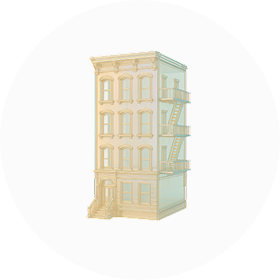
Humboldt Park is a culturally vibrant West Side neighborhood anchored by its large eponymous park with a lagoon and fieldhouse and a strong Puerto Rican cultural presence. Housing is a mix of historic greystones, bungalows, and multi‑unit buildings; rents and home prices have risen recently as parts of the area gentrify, though it remains generally more affordable than some Near Northwest neighborhoods. Public transit access is provided by multiple CTA bus routes and nearby 'L' stations for commuting to downtown, while crime rates have historically been higher than the city average and vary significantly by block.
Is Humboldt Park, Chicago, IL expensive?
Humboldt Park has historically been more affordable than many central Chicago neighborhoods, but housing costs vary by block. Since the 2010s, gentrification and development—particularly east of the park and near transit—have driven noticeable increases in rents and home prices. Overall it generally remains less expensive than adjacent hotspots like Wicker Park and Logan Square, though affordability has declined and differs across subareas.
What is the weather of Humboldt Park, Chicago, IL?
Humboldt Park has a humid continental (Köppen Dfa) climate with cold, snowy winters and warm, humid summers moderated somewhat by nearby Lake Michigan. Typical January highs are around 30°F (−1°C) and lows near 18°F (−8°C); July highs average about 83°F (28°C) with lows near 66°F (19°C). The area receives roughly 36 inches (≈91 cm) of annual precipitation and about 35–40 inches (≈89–102 cm) of snow; summers bring thunderstorms and occasional heat waves while winters can produce snowstorms and arctic cold snaps.
How safe is Humboldt Park, Chicago, IL?
Humboldt Park has crime rates above the Chicago average, with elevated incidents of violent crime such as shootings and robberies according to Chicago Police Department data. Crime is unevenly distributed within the neighborhood, with some blocks and corridors experiencing much higher incident levels while areas near the park and certain commercial corridors report lower rates. Local policing, community organizations, and investment have driven localized improvements, but overall safety remains a concern and prospective residents should consult current CPD crime maps and neighborhood resources for block-level information.